Writer. Translator. Community collaborator. Sculler.

Authored Books
Long projects allow for deep collaboration, and evolution. These books gave me insights into the life stories and motivations of creators in pursuit of some sort of clarity. I’m still learning from them.
More ➞

Graphis Articles
The fifteen years I spent meeting and writing about some of the most prolific and thoughtful Japanese designers alive at the time were precious. I’m glad to have had their guidance.
More ➞

Other Work
As a freelancer, I’ve been able to pursue glimmers and glimpses of other domains, and follow the thought processes of those whose lives differ from mine, but whose energy pleases me. The pieces that came of this interplay still inform my sense of the world.
More ➞
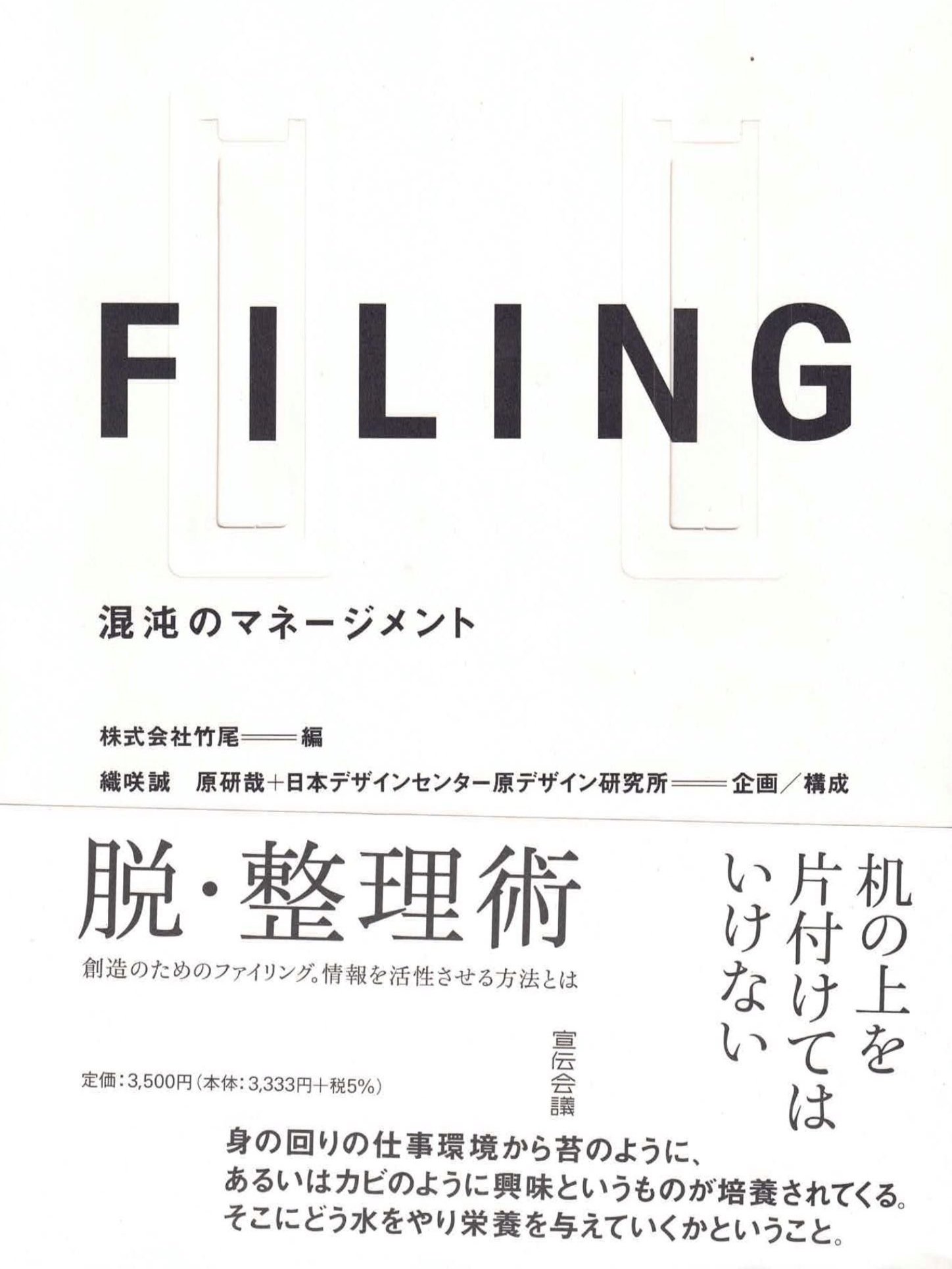
Translations
I fell into translation by accident, and the practice still gratifies, and sometimes even delights me. Having grown up all over the U.S., where I was always a stranger, I think I already knew that language was only an approximate tool for communication. At St. John’s, we studied and read original works in Greek and French, and when I moved to Japan at 22, I became an adult in another language. The sense of the impossibility, and yet the value, of translation has never left me.
More ➞
What I’m working on now….
Freelancers always have a few projects coming up in the queue, and ideas about how we might branch out into the next direction, travel up or down a different tributary, towards a source or into wider, wilder waters. Here are a few things I’m working on and thinking about:
A book about a female artist who is: on the other side of mid-life, self-taught, and finished with a project that tested her vision of how to live life, and what’s out there to see, anyway. An anti-bucket-list book, part memoir, part travel journal, part inspiration for the rest of us.
An exhibition and catalog (in the spirit of Kenya Hara’s idea-based exhibitions and catalogs) about one of the most influential women in my life: my mom.
A new plan for interviewing people coming into the end of their futures, and helping them write letters to those who come next.
If you have an idea of a project you’d like to do with me, let me know!
Contact Maggie ➞